
Industry Insights
World Diabetes Day: Respectful Awareness in Client-Facing Property Work
How property teams can mark World Diabetes Day respectfully: share qualified resources, respond to practical requests, protect private details in photographs, and keep awareness separate from promotion.
By Waqas Ahmad | Prepared 13 November 2026
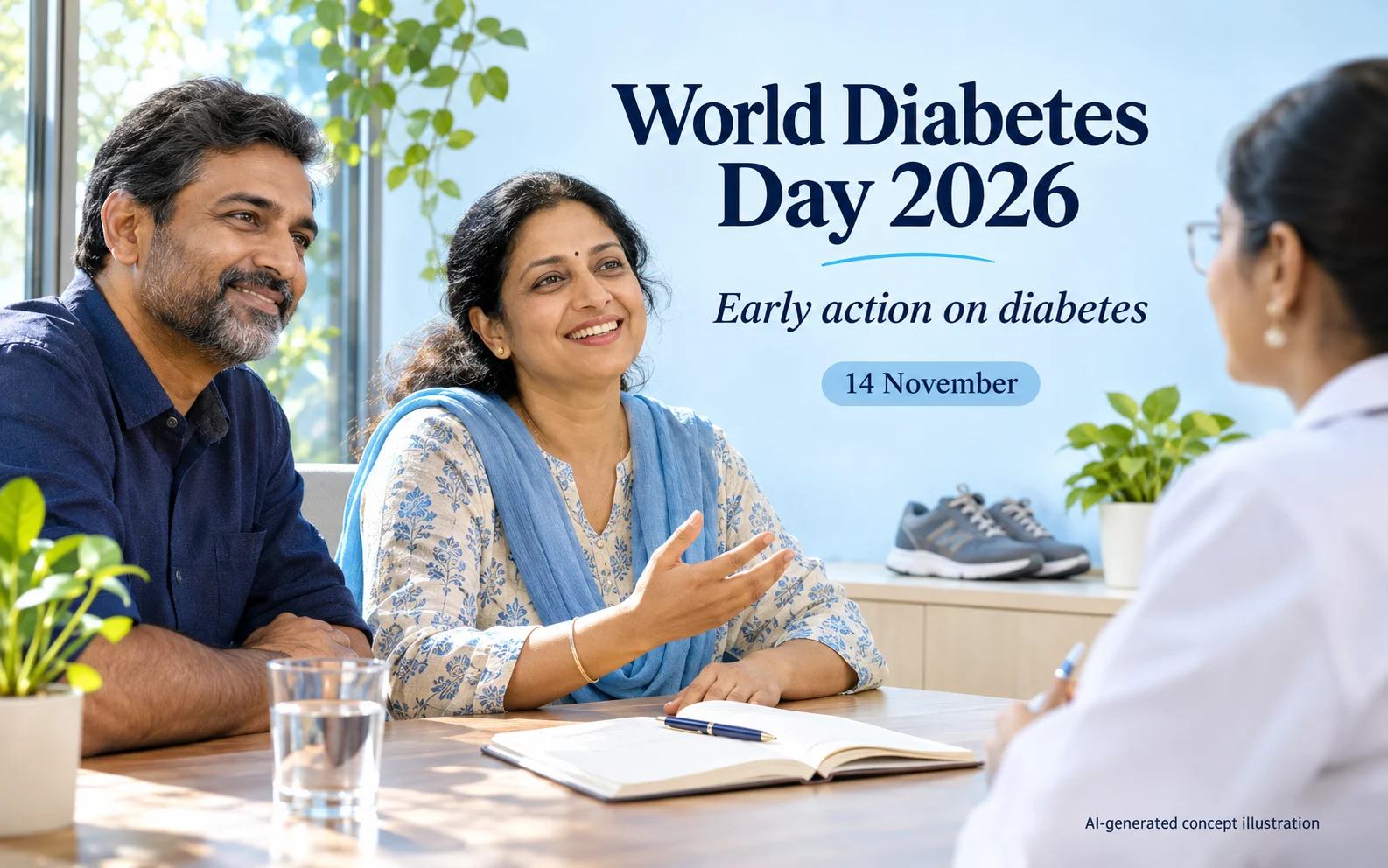
AI-generated concept illustration, not a real patient story or official WHO artwork.
A property business can acknowledge World Diabetes Day without pretending to offer healthcare. For World Diabetes Day on 14 November, this article considers a narrower and more practical question: how can client-facing teams communicate respectfully, protect private information and avoid turning an awareness occasion into a sales pitch?
I work with Pixel Perfects and EstateAI. This is independent editorial commentary about communication and privacy, not a claim that our services diagnose, treat or manage diabetes.
Keep the purpose separate from promotion
An awareness post should be understandable without a product offer. If a business uses the occasion only to collect contact details or push a discount, the message can lose its purpose.
State why the resource is being shared. Link to the official WHO campaign information, and make clear that the business is not a healthcare authority. Avoid placing a service testimonial beside medical information in a way that suggests clinical credibility.
An affiliation disclosure is useful because it tells readers who is speaking. It should not become an excuse to insert repeated promotional links.
Ask about practical arrangements without asking for diagnoses
Property viewings, photography appointments and delivery meetings involve schedules and access arrangements. A client may request a break, a different time or a particular way to communicate. Staff can respond to the practical request without demanding a medical explanation.
For example: “Would a later appointment work better?” respects the person’s choice. “What condition do you have?” may ask for information that is unnecessary for completing the task.
Do not assume that a request indicates diabetes or any other condition. The operational need and the private reason are different things.
Check what a property photograph reveals
A room photograph can contain personal details that were not intended for public advertising: prescription packaging, appointment letters, a calendar entry or a document left on a counter.
Before using a room image, review it for information unrelated to the listing. Where something private is visible, follow the owner’s instructions and the agreed editing scope. Do not claim an image is privacy-safe merely because a face is absent.
This is a proposed review practice, not a statement that a particular software tool automatically finds or removes every sensitive detail. Human judgment and permission still matter. For file-level review, see our guide to property photo metadata and privacy before sharing.
Do not invent a health story for the image
An AI-generated consultation scene is an illustration. It should not be described as a real customer’s experience, a staff member’s diagnosis or a verified recovery story.
Keep captions factual about the asset: generated, conceptual and not official medical artwork. If a real person offers a personal story, obtain clear permission for the specific story, image and audience before publishing it. Permission to photograph a property is not permission to publish the occupant’s health history.
Make respectful responses easy for the team
A short internal response guide can help staff avoid improvising medical advice. It might say:
- Acknowledge a practical request without asking for unnecessary health details.
- Do not interpret symptoms or recommend treatment.
- Keep personal disclosures out of general project notes unless genuinely needed and appropriately authorized.
- Refer public health questions to qualified sources.
- Do not reuse a private conversation as marketing material.
These are suggested communication boundaries, not claims about an existing company procedure or a guarantee of regulatory compliance.
Publish a resource, not a promise
For a business audience, the most credible contribution may be simple: share an authoritative resource, explain the limits of the company’s role, and treat clients with discretion in ordinary interactions.
The illustrations in this article show fictional conversations. They do not prove a product capability or represent a medical service offered by EstateAI or Pixel Perfects.
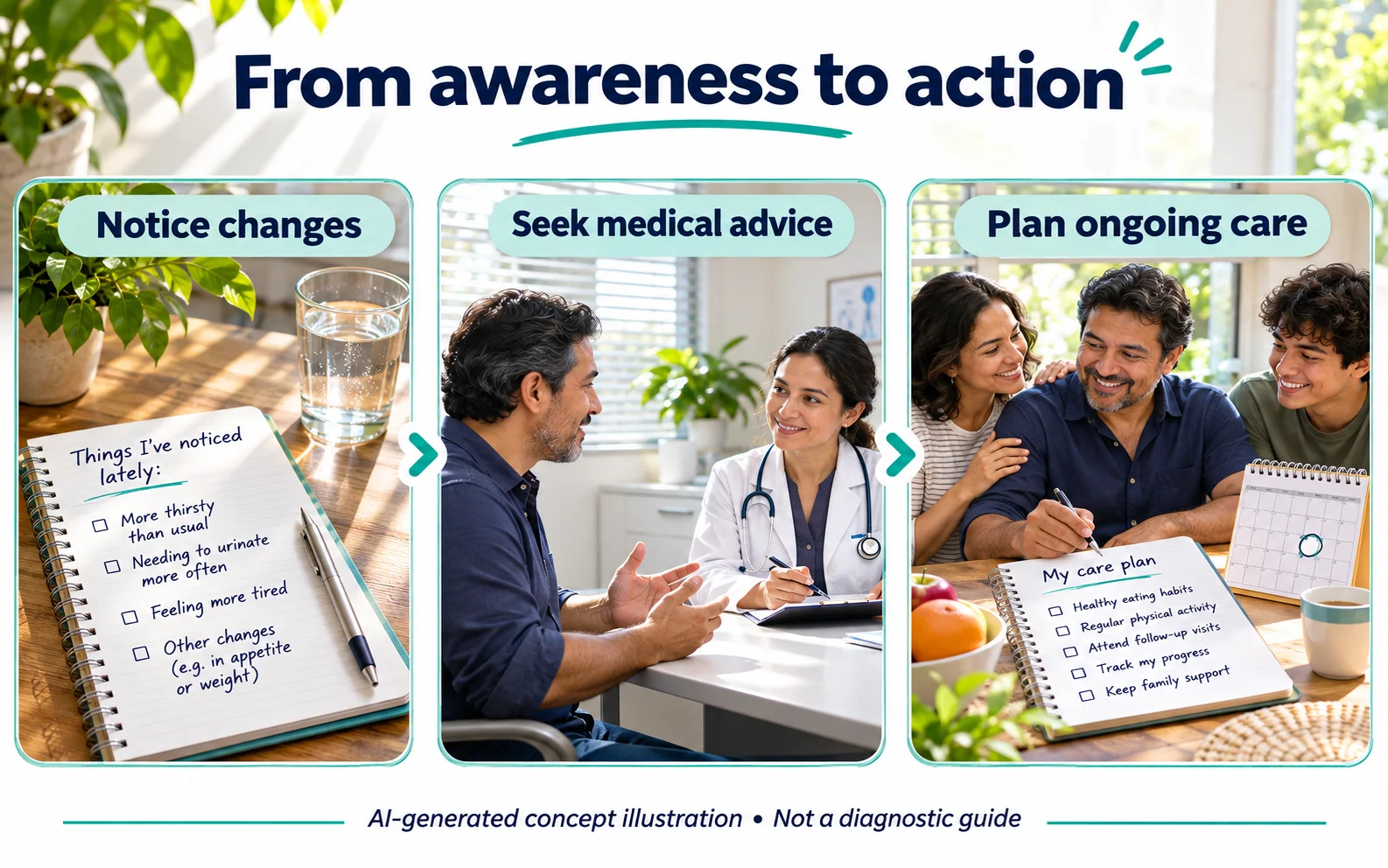
World Diabetes Day can be an opportunity to improve how we communicate. In property work, that begins with respecting the person behind the appointment and keeping private details out of public material.
Independent awareness and editorial commentary by Waqas Ahmad. General information only, not diagnosis or individual medical advice. Consult qualified healthcare professionals about personal health concerns.