How AI Is Changing Real Estate Photography and Property Marketing in 2026
AI is changing more than virtual staging. Discover how photographers, agents, and property marketing teams can use AI throughout the real estate media workflow while keeping professional control.
EstateAI Editorial TeamAugust 11, 20269 min readShare
Real estate marketing has always depended heavily on presentation.
A potential buyer may discover a property through a listing portal, social media post, brokerage website, or digital advertisement. In almost every case, photographs are among the first things they see.
That makes property media one of the most important parts of the listing process.
For years, producing professional real estate imagery required photographers and marketing teams to move files through multiple tools. One application might be used for photo enhancement, another for virtual staging, another for image cleanup, and yet another for preparing marketing materials.
AI is beginning to change that workflow.
The biggest opportunity is not simply generating impressive images. It is using AI to reduce repetitive work across the entire property-marketing process while keeping professionals in control of the final result.
AI in Real Estate Is Moving Beyond Virtual Staging
Virtual staging is one of the most recognizable applications of AI in real estate.
A photograph of an empty room can be transformed into a furnished visualization that helps potential buyers understand how the space might be used.
But property marketing involves much more than furnishing vacant rooms.
Real estate professionals routinely need to improve exposure, prepare exterior photographs, remove distracting clutter, create twilight alternatives, visualize renovation possibilities, organize media, prepare listing copy, share results with clients, and deliver final assets.
Learn how AI photo enhancement can help real estate professionals prepare cleaner, brighter, more consistent listing images while preserving the property's authentic appearance.
How AI Is Changing Real Estate Photography and Property…
"How much of the property-media workflow can AI help us complete?"
That is a much larger opportunity.
1. Professional Image Enhancement
Good photography still begins with good capture.
Camera position, composition, lens choice, focus, vertical alignment, and lighting decisions remain important. AI does not eliminate those fundamentals.
What AI can do is assist with post-production.
Professional image enhancement can help improve:
exposure balance
white balance
color consistency
contrast
clarity
detail visibility
overall presentation
For property photography, enhancement should remain preservation-focused.
The purpose is not to redesign the property. Walls, windows, flooring, cabinetry, doors, fireplaces, stairs, built-ins, and other permanent characteristics should remain consistent with the original photograph.
AI is most useful here when it helps photographers reach a consistent professional finish faster.
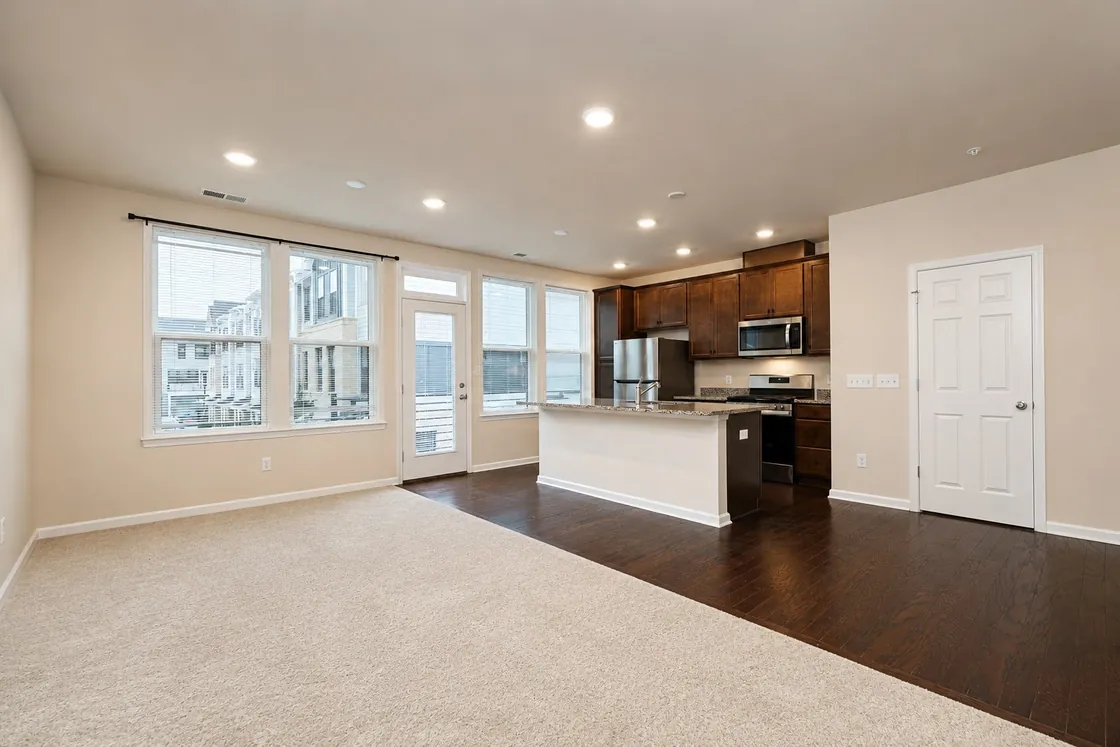
2. Virtual Staging for Vacant Properties
Empty rooms can be difficult for buyers to interpret.
Without furniture, it may be harder to understand scale, layout, or how a room could function.
Virtual staging provides a visual reference.
AI can help generate furnished versions of vacant bedrooms, living rooms, dining spaces, offices, and other interiors while keeping the original architecture intact.
The important distinction is that virtual staging should be treated as a visualization.
The original photograph should remain available, and marketing teams should follow applicable disclosure requirements when presenting digitally staged imagery.
For photographers and agents, the operational advantage is significant: staging can become part of the same digital property workflow instead of requiring a completely separate production process.
3. Virtual Decluttering
Not every property is vacant.
Many homes are photographed while they are still occupied, and even well-maintained interiors can contain distracting everyday objects.
Cables, boxes, excessive personal items, papers, small objects, and visual clutter can pull attention away from the room itself.
AI-assisted decluttering can help produce a cleaner presentation while preserving the important structure and character of the property.
This is especially useful when a full physical restaging of the room is impractical before photography.
The objective should still be realism.
A useful decluttering result should look like a cleaner version of the same property—not an entirely different room.
4. Interior Redesign and Renovation Visualization
Some buyers struggle to imagine what an outdated property could become.
This is where AI can move beyond simple enhancement.
Interior redesign can help visualize different furniture and décor directions, while renovation visualization can explore more substantial changes to finishes or design.
These tools can be particularly useful for:
dated interiors
investment properties
renovation opportunities
new developments
properties requiring stronger visual storytelling
However, these images serve a different purpose from normal photo enhancement.
Professional enhancement should preserve the existing property. Redesign and renovation intentionally visualize alternatives.
Keeping those workflows separate helps prevent confusion.
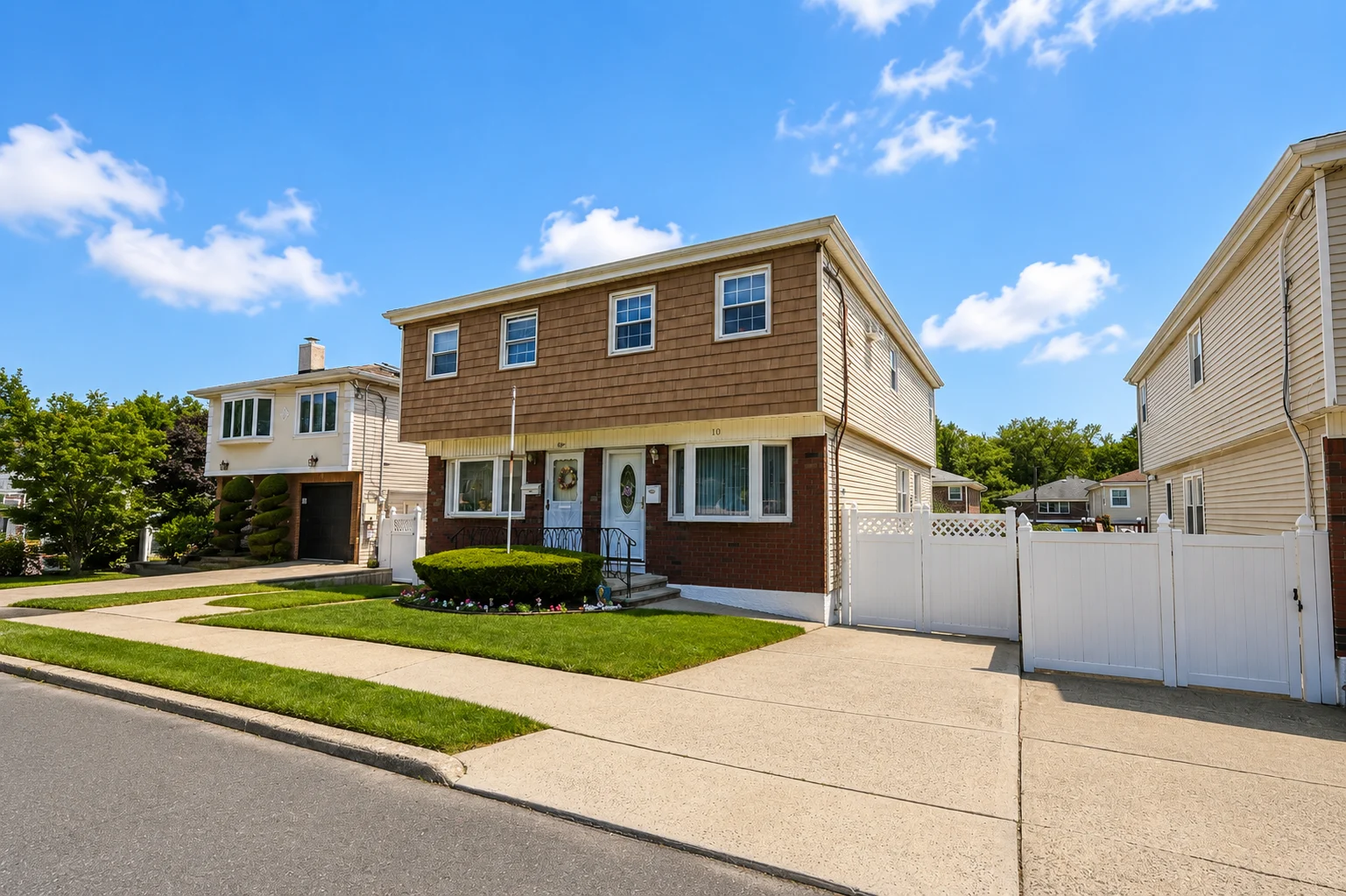
5. Day-to-Dusk Property Marketing
Exterior photography is highly dependent on timing and weather.
A photographer may capture an excellent property during daylight but still want a more atmospheric image for the listing's lead photograph or marketing campaign.
AI-assisted Day-to-Dusk processing can create a twilight-style alternative while preserving the property's architecture.
When done carefully, the result can provide another marketing option without requiring a second photography visit at sunset.
This does not mean every exterior should become a twilight image.
Instead, it gives marketers another version to choose from when building the listing presentation.
6. Seasonal and Exterior Improvements
Exterior photographs introduce their own challenges.
Snow, dull skies, closed pools, seasonal landscaping, temporary distractions, or less-than-ideal shooting conditions can affect how the property is presented.
Specialized AI workflows can help with tasks such as:
Snow to Summer visualization
Pool Opening
Exterior Cleanup
landscape presentation
sky improvement
removal of temporary distractions
These treatments should still be applied carefully.
The goal of professional property marketing is to communicate the property clearly, not to create unrealistic expectations.
7. AI Can Help Decide Which Service an Image Needs
As AI platforms become more capable, another problem appears: users may have many tools but still need to decide which one to use.
A property containing 40 photographs should not require the user to manually inspect every image and guess which AI treatment might be appropriate.
Analysis and recommendations can help organize that decision.
For example, a system may identify that:
one image only needs professional enhancement
another contains a vacant room suitable for staging
another could benefit from decluttering
an exterior might work well as Day to Dusk
another photograph does not need additional processing at all
The final decision should remain with the user.
AI recommendations are most useful when they reduce repetitive decision-making without silently processing images or spending credits.
8. Property-First Workflows Matter More Than Individual AI Tools
One of the biggest problems with using multiple AI tools is fragmentation.
Imagine processing one property across several disconnected applications.
The photographer uploads the original photos to one platform for enhancement, downloads them, uploads selected images somewhere else for staging, downloads those results, moves everything into folders, creates another set for the client, and later tries to remember which image belongs to which version.
The individual AI operations may be fast.
The overall workflow is not.
A property-first system approaches the problem differently.
The property becomes the central workspace.
Original photographs, analysis, recommendations, processing jobs, generated versions, galleries, downloads, sharing, marketing assets, client review, and delivery can remain associated with the same property.
That is the approach behind EstateAI.
9. AI Is Also Changing Listing Marketing
Property marketing does not end when the photographs are finished.
Agents and marketing teams still need written content.
That can include:
listing descriptions
social media copy
property highlights
marketing headlines
promotional messaging
client-facing delivery material
AI can assist here as well.
When marketing tools understand the property context, they can help reduce the time spent repeatedly transferring information from one system to another.
The value is not simply that AI can write text.
The value comes from connecting that capability to the same property workflow containing the media and property information.
10. Human Review Still Matters
Automation should not mean removing professional judgment.
Real estate media represents real properties and influences real purchasing decisions.
Professionals should therefore remain responsible for reviewing generated results.
An AI-generated image can be technically impressive and still be inappropriate for a particular listing.
Photographers, agents, and marketing teams understand context that an automated system may not.
A strong AI workflow should therefore support:
AI assistance → professional review → approval → delivery
rather than:
AI generation → automatic publication
This principle becomes increasingly important as AI tools become more capable.
How EstateAI Connects the Workflow
EstateAI is designed around the property rather than around a collection of disconnected AI generators.
A typical workflow can move through:
Create Property → Upload Photos → AI Analysis → Room Groups → Recommendations → AI Services → Processing → Gallery → Downloads → Sharing → Marketing → Delivery
Depending on the property, professionals can use services such as Professional Image Enhancement, Virtual Staging, Virtual Declutter, Interior Redesign, Virtual Renovation, Day to Dusk, Snow to Summer, Pool Opening, Exterior Cleanup, and Exterior Landscape workflows.
The important part is that these services remain connected to the property.
Originals and generated versions stay organized instead of becoming isolated files scattered across different tools.
What AI Means for Real Estate Photographers
AI does not necessarily reduce the value of professional photographers.
It can change where their time is spent.
Instead of spending as much time on repetitive post-production tasks, photographers can focus more on:
capturing better source imagery
quality control
client relationships
creative decisions
growing their photography business
managing larger property volumes
Photographers who combine strong capture skills with efficient AI-assisted production may be able to provide faster turnaround without sacrificing professional oversight.
What AI Means for Real Estate Agents
Agents often need professional marketing without wanting to become image-editing experts.
AI can make advanced property-media workflows easier to access.
Instead of learning multiple editing applications, agents can work through guided services designed around common real estate needs.
That can make it easier to prepare listings while maintaining control over what gets generated and ultimately published.
What AI Means for Brokerages and Marketing Teams
At brokerage scale, organization becomes just as important as individual image quality.
Multiple properties, agents, photographers, revisions, generated versions, client approvals, and deliveries can quickly become difficult to manage.
AI becomes more valuable when combined with workflow infrastructure.
Teams need to know:
which property an image belongs to
which version is approved
which AI service produced it
whether processing is complete
whether the client reviewed it
whether final assets were delivered
This is why the future of AI property marketing is likely to involve connected platforms rather than isolated generation tools.
AI Should Make Property Marketing Simpler
The most useful technology often becomes less visible over time.
Users should not need to think constantly about which model is running or how many separate systems are involved behind the scenes.
They should be able to focus on the property.
Upload the photographs.
Review what needs attention.
Choose the appropriate treatments.
Approve the results.
Prepare the marketing.
Deliver the finished assets.
AI should reduce friction between those steps rather than introduce another layer of complexity.
Final Thoughts
AI is changing real estate photography, but the transformation goes far beyond virtual staging.
Professional enhancement, decluttering, staging, redesign, renovation visualization, exterior treatments, recommendations, marketing assistance, organization, review, and delivery can increasingly become parts of one connected workflow.
The technology is most valuable when it saves time while preserving professional control.
For real estate photographers, agents, brokerages, and marketing teams, the question in 2026 is becoming less about whether AI can generate a property image.
The more important question is:
Can AI help move an entire property from original photography to market-ready media more efficiently?
AI can assist with photo enhancement, virtual staging, decluttering, redesign visualization, exterior treatments, image analysis, and other repetitive post-production tasks. Professional review remains important before generated imagery is used for marketing.
Will AI replace real estate photographers?+
AI can automate parts of post-production, but professional photography still depends on capture quality, composition, camera positioning, lighting decisions, property understanding, quality control, and client service. AI is better viewed as a production tool for photographers rather than a replacement for professional judgment.
What is the difference between AI photo enhancement and virtual staging?+
Photo enhancement improves the presentation of an existing photograph while preserving the property. Virtual staging intentionally adds furniture and décor to help visualize a vacant space.
Can AI remove clutter from property photographs?+
AI-assisted decluttering can remove distracting temporary objects while preserving the important architecture and permanent features of the room.
Can AI create twilight real estate photos?+
Day-to-Dusk workflows can create a twilight-style alternative from suitable daylight exterior photography while preserving the property's architecture.
Why is a property-first AI workflow useful?+
A property-first workflow keeps originals, generated versions, AI jobs, galleries, sharing, marketing, reviews, and delivery associated with the same property. This reduces repetitive uploads and fragmented file management.
Does EstateAI automatically process every property photo?+
No. EstateAI can analyze photographs and provide recommendations, while users remain responsible for selecting the images and services they want to process.
What types of professionals can use EstateAI?+
EstateAI is designed for real estate photographers, agents, brokerages, property marketers, and teams that regularly prepare real estate media.
EstateAI
Turn the next property into a complete marketing workflow.
Upload once. Analyze, enhance, stage, review, market, share and deliver from one connected Property Workspace.